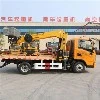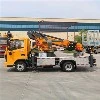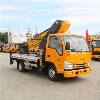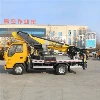
1. Lifting Capability: Aerial work platforms are equipped with a lifting mechanism that can raise the work platform vertically to the required height, facilitating tasks performed at elevation. This mechanism typically utilizes a hydraulic or electric system, allowing the platform to be raised or lowered quickly and steadily.
2. High Load Capacity: These platforms are designed to support significant weight, generally accommodating multiple personnel along with the necessary tools and equipment. This makes them suitable for both individual tasks and team-based operations.
3. Flexibility and Maneuverability: Aerial work platforms feature flexible steering mechanisms, enabling them to operate in confined spaces and complex environments. Often equipped with four-wheel drive and steering capabilities, they can navigate turns and change direction with ease, adapting to a variety of work scenarios.
4. Safety and Reliability: Safety is a priority in the design and manufacturing of aerial work platforms. They are equipped with various protective features, such as limit switches, overload protection, and heavy-load safeguards. Furthermore, they incorporate anti-slip, anti-tip, and anti-scratch measures to ensure the safety of operators.
5. Versatile Application: Aerial work platforms can be used for a wide range of tasks at height, including building maintenance, the upkeep of power infrastructure, landscaping, and stacking goods in warehouses. By adjusting the height and angle of the work platform, these units can be tailored to meet diverse operational requirements.
In summary, aerial work platforms are powerful, highly maneuverable pieces of equipment that effectively enhance operational efficiency and ensure the safety of personnel; they are widely used across various fields requiring work at height.