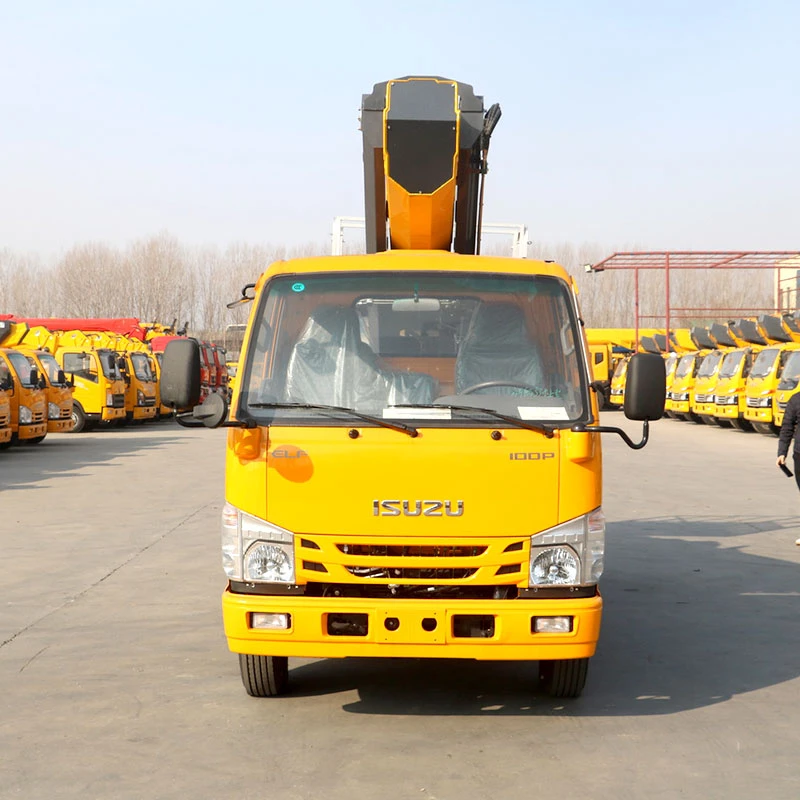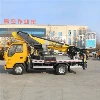
In lifting operations, both conventional cranes and "spider cranes" (mini crawler cranes) are frequently used. Their primary function is to lift and transport heavy loads in settings such as construction sites and industrial facilities. While both types of equipment can perform similar tasks, they differ in terms of their structure and specific characteristics.
A spider crane consists of a base with outriggers and a rotatable boom equipped with a lifting hook. A conventional crane, by contrast, features a full vehicle chassis and an extendable boom, also fitted with a lifting hook. Spider cranes offer greater structural flexibility; their booms can rotate 360 degrees, allowing for easy adjustment of lifting angles and positioning.
Spider cranes are relatively compact, making them well-suited for confined spaces or complex environments-for example, in road construction or urban lifting projects. Large conventional cranes, meanwhile, are better suited for operations that require a wider range of movement, such as on large-scale construction sites or within industrial plants.
The maximum lifting height of a spider crane is lower than that of a conventional crane. Because a spider crane relies on outriggers for stability on the ground, its typical operating height is around 50 meters. Conventional cranes can reach significantly greater heights, with some large models capable of lifting loads to heights exceeding 200 meters.
Regardless of whether a spider crane or a conventional crane is used, operators must strictly adhere to safety protocols and exercise extra caution during lifting tasks. Furthermore, the choice of lifting equipment should be based on the specific site conditions and operational requirements to ensure that tasks are completed both safely and efficiently.