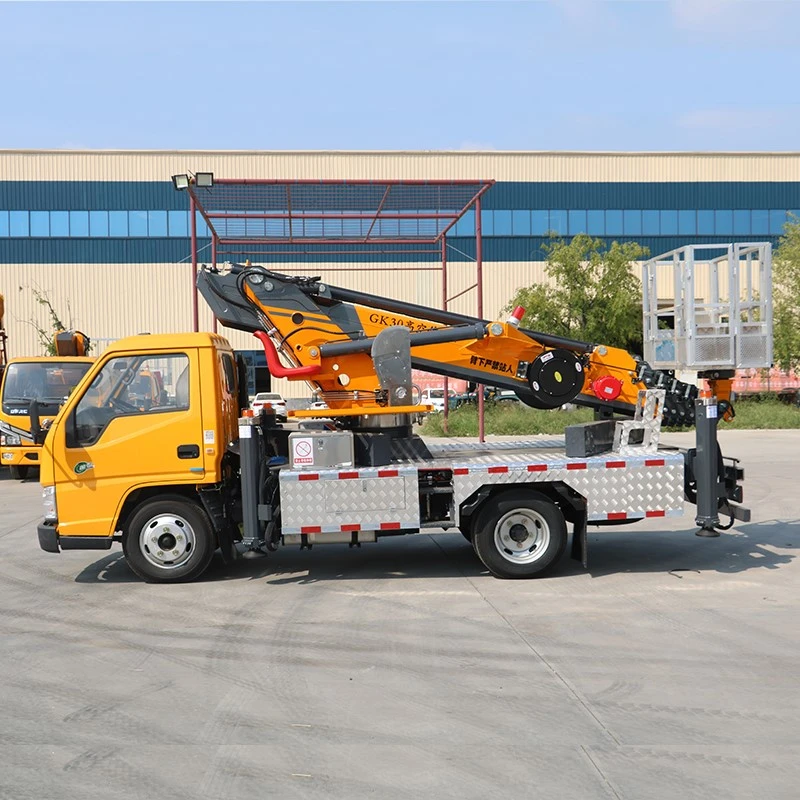
Determining the Depreciation Period for a Mobile Crane
When discussing the depreciation period for a mobile crane, the primary reference point is tax regulation. According to relevant regulations, the depreciation period for a mobile crane is set at 10 years. This timeframe accounts for both the loss in value as the equipment is used and the investor's expectations regarding the speed of capital recovery. In practice, this depreciation period is determined by considering various factors, including the crane's expected service life, maintenance history, and the pace of technological advancement.
The Impact of the Depreciation Period on Equipment Value
The depreciation period is a key factor in assessing the value of equipment. As the years of use increase, the value of a mobile crane gradually declines. Establishing a depreciation period helps investors plan for equipment replacement, ensuring that the machinery remains in optimal condition in terms of both performance and safety. Furthermore, the depreciation period influences the equipment's resale value, serving as a useful reference for the secondary market and the leasing sector.
The Relationship Between Economic Recovery and the Depreciation Period
From the perspective of economic recovery, the depreciation period reflects an investor's expectations regarding the returns on their investment. Within this period, the investor aims to recover the initial capital outlay and generate a profit through the operation and use of the equipment. Consequently, a well-defined depreciation period enables investors to better evaluate investment risks and formulate sound investment strategies.
The Relationship Between the Depreciation Period and Equipment Maintenance
Beyond its impact on equipment value and economic recovery, the depreciation period is closely linked to equipment maintenance. Throughout this period, investors must perform regular maintenance to ensure the equipment functions correctly and to extend its operational lifespan. Thus, the establishment of a depreciation period indirectly encourages a greater focus on-and increased investment in-the maintenance of the equipment.