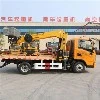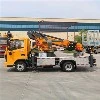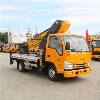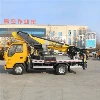
Safety is of paramount importance during the operation of a truck-mounted crane. Operators must strictly adhere to safety protocols to prevent accidents. These protocols include, but are not limited to: prohibiting overloading and off-center loading, ensuring all safety devices are in good working order, and conducting regular inspections and maintenance of the equipment.
Operators must undergo professional training, hold the required certification, and be thoroughly familiar with the crane's performance specifications and operating procedures. A safety perimeter should be established at the work site, and unauthorized personnel must be kept out. When the crane is in operation, its outriggers must be fully extended and firmly positioned; lifting operations must never be attempted unless the crane is securely supported. Movements such as raising or lowering the boom, slewing, or adjusting the boom angle should be performed slowly and smoothly. Abrupt starts and stops must be avoided to prevent the load from swinging or the crane from becoming unstable. In windy or adverse weather conditions, additional safety measures must be implemented, and a decision on whether to continue operations should be made based on the specific circumstances.